GEO Market Projected to Reach $32.92 Billion by 2036 as AI Search Redefines Visibility

A new report from Market Decipher shows the Generative Engine Optimization market growing at a 40% CAGR as brands compete to appear in AI-generated answers


Justin Tomlinson

Editor-in-Chief, Mora Discover

2 sources
GEO Market Projected to Reach $32.92 Billion by 2036 as AI Search Redefines Visibility

The global Generative Engine Optimization (GEO) market is projected to reach $32.92 billion by 2036, growing at a compound annual growth rate (CAGR) of 40 percent. According to a flagship intelligence report published by Market Decipher, titled Generative Engine Optimization (GEO) Market Analysis and Forecast 2026 to 2036, this rapid expansion highlights how AI search is redrawing the rules of brand visibility worldwide.[1][2]

Released on June 29, 2026, in Pune, India, the report reveals that the race to secure brand visibility inside AI-generated answers has reached a major commercial milestone. As generative engines transform online search, businesses are shifting their optimization strategies to ensure their products and services remain prominent within AI-driven results.[1][2]
Related stories

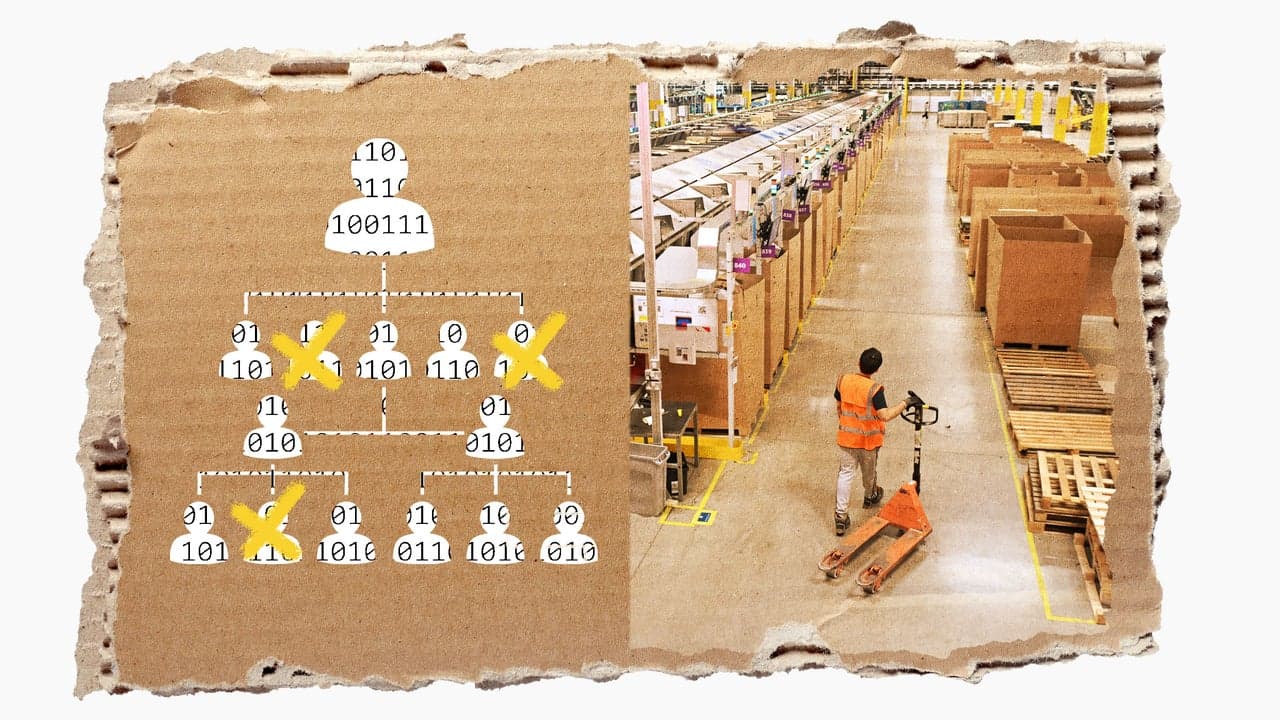
Exclusive: Inside Amazon’s brutal AI-centric app-ification of HR
Fast Company

Exclusive: Inside Amazon’s brutal AI-centric app-ification of HR

At an Amazon warehouse in Northeast Ohio, Laura works the night shift, operating an order picker that puts her 40 feet in the air. “I’m a treasure hunter,” she says. “I use a forklift to go find stuff.” The warehouse has not yet adopted any of the cutting-edge robotics systems that are transforming other Amazon facilities —but automation is creeping in. In the 18 months since she started this job, Laura—who asked to use a pseudonym out of fear of retaliation—has seen a major change in the HR presence at her warehouse. At most Amazon warehouses, a team of HR employees used to be available on site to help workers resolve issues as they arise, reachable for most of their shift. But something changed this year. “Now it’s like HR is there on banking hours,” Laura says, noting that she never see