Iran's Control of Strait of Hormuz Disrupts Global Economy and Shipping
Iran's seizure of the Strait of Hormuz has triggered a surge in fuel prices and left tens of thousands of mariners stranded in the Persian Gulf



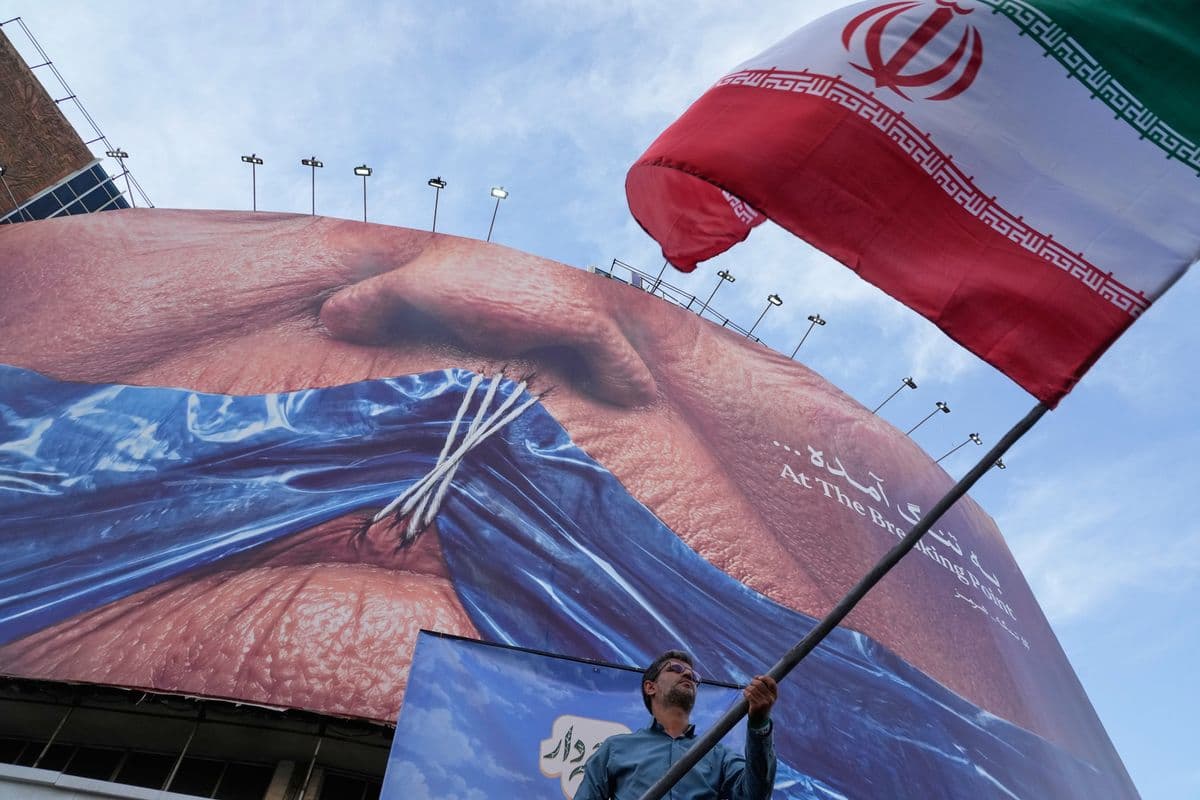
Iran’s effective seizure of the Strait of Hormuz has jolted the world economy, leading to a significant spike in fuel prices. These rising costs have rippled through multiple sectors, creating economic effects that reach far beyond the Middle East as the global market reacts to the disruption of this critical maritime passage. The control over this strategic waterway has caused immediate instability in energy markets, affecting international trade and supply chains that rely on the free flow of goods through the region. This disruption highlights the vulnerability of global commerce to regional tensions.[1][2]
Beyond the economic impact, the situation has created a massive logistical and humanitarian crisis within the Persian Gulf. Hundreds of ships are currently stranded in the region, unable to proceed through the strait due to Iran's actions. This bottleneck has left tens of thousands of mariners stuck at sea, illustrating the immense scale of the disruption and the human toll associated with the current grip on the international shipping lane. The numbers reflect a growing crisis that impacts both global commerce and the safety of maritime workers who are now caught in the middle of the standoff.[1]

