Rudraksha farming in Nepal: Prosperity meets peril as farmers chase Chinese market demand
The shift from selling Rudraksha seeds to Indian pilgrims to meeting Chinese market demand is driving a massive economic transformation in Eastern Nepal, bringing both wealth and new risks



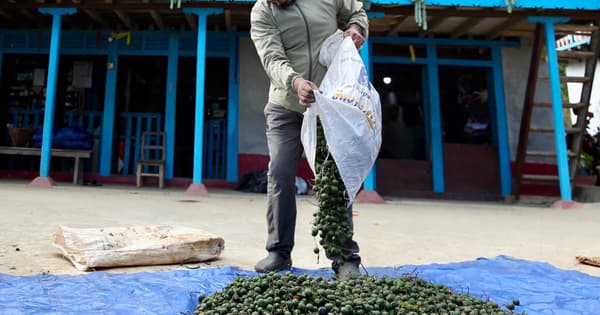
For three decades, Ashok Karki's family has tended to the towering Elaeocarpus ganitrus, commonly known as Rudraksha trees, which define the landscape of the Makalu Himalayan region in Eastern Nepal. Historically, these seeds were a product sold primarily to Hindu pilgrims in India. In recent years, however, the Rudraksha has transitioned into a high-stakes commodity, driving a massive economic shift across the region.[1][2][3]
This newfound prosperity has emerged as local farmers pivot to chase growing demand from the Chinese market. However, the rapid transition has also brought peril to the region, as farmers navigate the high-stakes risks associated with this newly transformed agricultural trade.[1][2][3]