Shipping Industry Faces Fuel Shortages as Iran War Disrupts Supply Lines
The maritime sector warns of rising costs and supply constraints for bunker fuel as conflict in the Middle East impacts the Strait of Hormuz and global shipping hubs



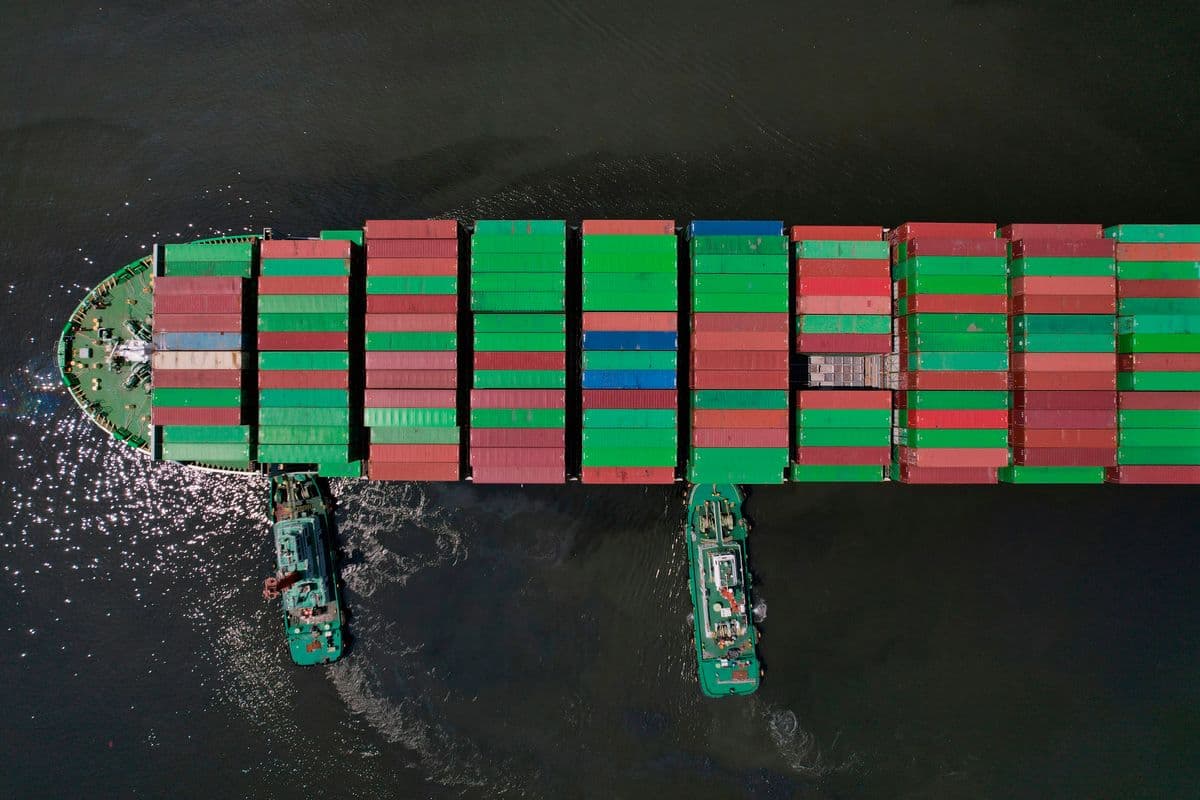
The global maritime industry is bracing for a significant shortage of bunker fuel as the ongoing war involving Iran disrupts traffic through the Strait of Hormuz. This narrow waterway serves as a critical shipping lane, and its restriction is choking off the supply of the heavy, sludgelike substance required to power large vessels. Because approximately 80% of all globally traded goods are transported by sea, any disruption to this supply chain has far-reaching consequences for international commerce.[1][2]
Southeast Asia, home to the world’s largest ship refueling hub, has become the focal point of these supply concerns. As the availability of bunker fuel tightens, prices have begun to skyrocket, putting immense pressure on ship operators. Industry experts warn that these rising costs will likely be passed down to companies and consumers, leading to significant price spikes in shipping fees and negatively impacting corporate bottom lines across various sectors.[1][2]
In response to the volatility of traditional fuel markets and the current geopolitical crisis, there is an increasing interest in alternative energy sources. Analysts suggest that the current squeeze on bunker fuel supplies could accelerate the maritime industry's transition toward green fuels. While the immediate focus remains on managing the current shortage, the long-term impact of the conflict may shift how the global shipping industry approaches its energy needs.[1][2]

