Syria Pitches Itself as Safe Trade Corridor Amid Regional Conflict

Following the December 2024 ouster of Bashar Assad, Syria's new government is leveraging its neutrality to rebuild international ties and serve as a secure export route during the U.S.-Israeli war against Iran.


Justin Tomlinson

Editor-in-Chief, Mora Discover

1 source
Syria Pitches Itself as Safe Trade Corridor Amid Regional Conflict

After enduring 14 years of devastating civil war that turned the nation into a continuous battleground, Syria is now presenting itself as a zone of relative peace within a deeply turbulent Middle East. The country's new leadership is actively attempting to use this newfound stability and neutrality to mend diplomatic and economic relationships with Arab and Western nations that had previously shunned and isolated the country.[1]

This major geopolitical shift follows the historic December 2024 ouster of former President Bashar Assad. Assad was removed from power by rebel forces, who subsequently established and installed a new government in his place. Under this new administration, Syrian leaders are emphasizing their strict neutrality amid broader, escalating Middle Eastern conflicts, hoping to turn their post-war status into a strategic diplomatic advantage.[1]

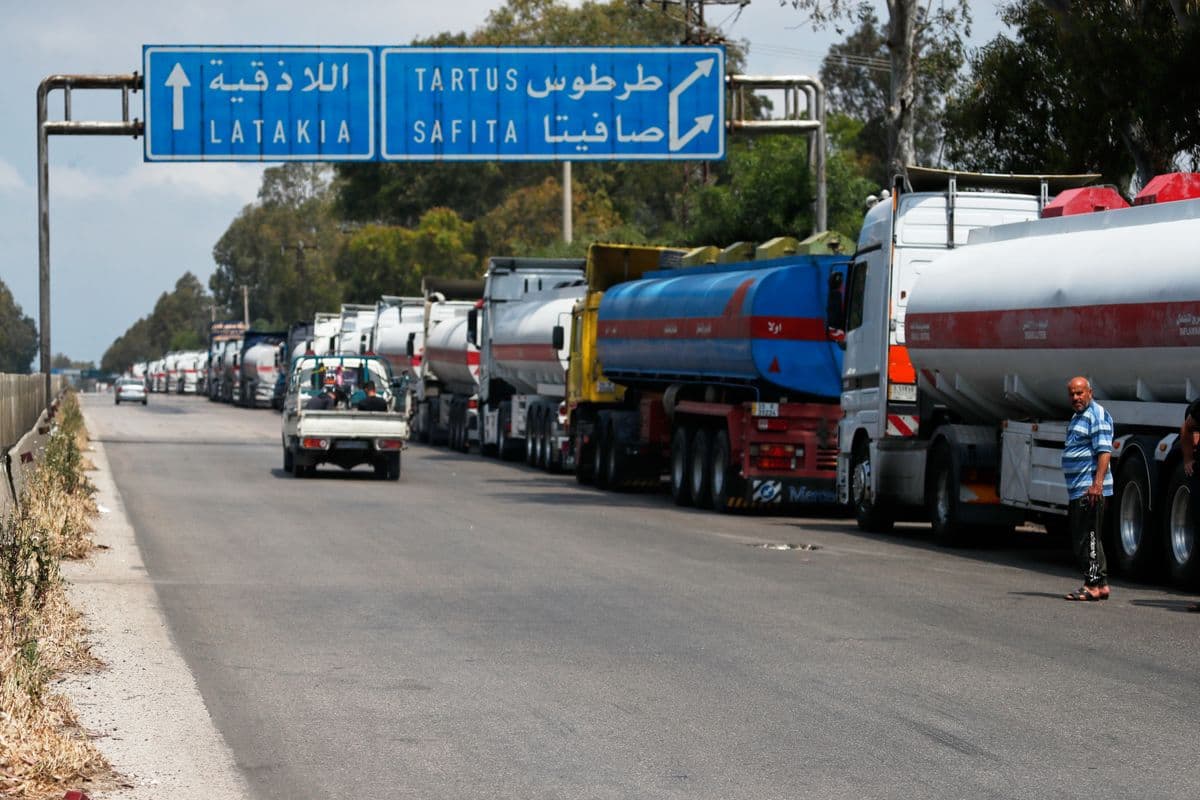
As part of this strategy, Syria has officially positioned its territory as a safe and reliable alternative corridor for regional exports. This pitch comes specifically during the ongoing U.S.-Israeli war against Iran, which has disrupted traditional trade routes. Despite maintaining a neutral stance and staying out of the direct fighting, the Syrian government recognizes that the country could still face significant indirect economic challenges stemming from the wider regional war and the shifting economic priorities of Gulf countries.[1]

Related stories

Trump threatens to withdraw troops from Italy and Spain
The Guardian

Trump threatens to withdraw troops from Italy and Spain

US president says European countries are ‘absolutely horrible’ to refuse to support operations in strait of HormuzThe US is withdrawing 5,000 troops from Germany, the Pentagon announced on Friday, as Donald Trump also threatened Italy and Spain for not helping to reopen the strait of Hormuz.The president’s move to reduce the number of personnel deployed in Germany came after the country’s chancellor, Friedrich Merz, said the US was being “humiliated” by Iran. Continue reading...

Elon Musk and Sam Altman face off in OpenAI trial
The Guardian

Elon Musk and Sam Altman face off in OpenAI trial

Trial is culmination of a years-long feud between Musk and Altman that has become increasingly viciousThe trial pitting Elon Musk against Sam Altman and OpenAI began in dramatic fashion on Tuesday with opening arguments and the richest man in the world taking the stand to testify. Attorneys for the two tech moguls presented a California jury with two wildly different versions of the AI company’s history, while Musk accused his billionaire rival of endangering humanity through corporate deception.Musk’s suit argues that Altman, OpenAI and its president, Greg Brockman, broke a foundational...

The Iran war and the future of energy
hereandnow

The Iran war and the future of energy

The average price of gas in the U.S. hit a wartime high of $4.30 on Thursday, according to AAA. Bloomberg's Michael Regan breaks down the latest numbers. And, the closure of the Strait of Hormuz has sent global energy prices skyrocketing and led to oil and gas shortages in parts of the world. Economic historian, author and S&P Global vice chairman Daniel Yergin says the Hormuz oil shock will lead to a new global balance of power. He joins us.See pcm.adswizz.com for information about our collection and use of personal data for sponsorship and to manage your podcast sponsorship preferences.NPR...