The Global Read: US lags in social media restrictions for kids, but is moving

While countries like Australia and the UK enact new rules to protect young brains, US legal measures are evolving more slowly


Justin Tomlinson

Editor-in-Chief, Mora Discover

2 sources
The Global Read: US lags in social media restrictions for kids, but is moving

A growing global awareness regarding the potential dangers that social media platforms pose to young, developing brains has led to a significant wave of new restrictions aimed at protecting children. Several nations, including Australia, the United Kingdom, Turkey, and Indonesia, have actively introduced or are implementing legal measures to restrict social media access or usage for younger demographics.[1][2]

Meanwhile, the United States has lagged behind these international efforts, with domestic legal measures evolving at a much slower pace. Although the US has historically been slower to enact federal restrictions on social media for children, there are indications that the country is beginning to move toward establishing its own regulatory framework in response to these developmental concerns.[1][2]

Related stories

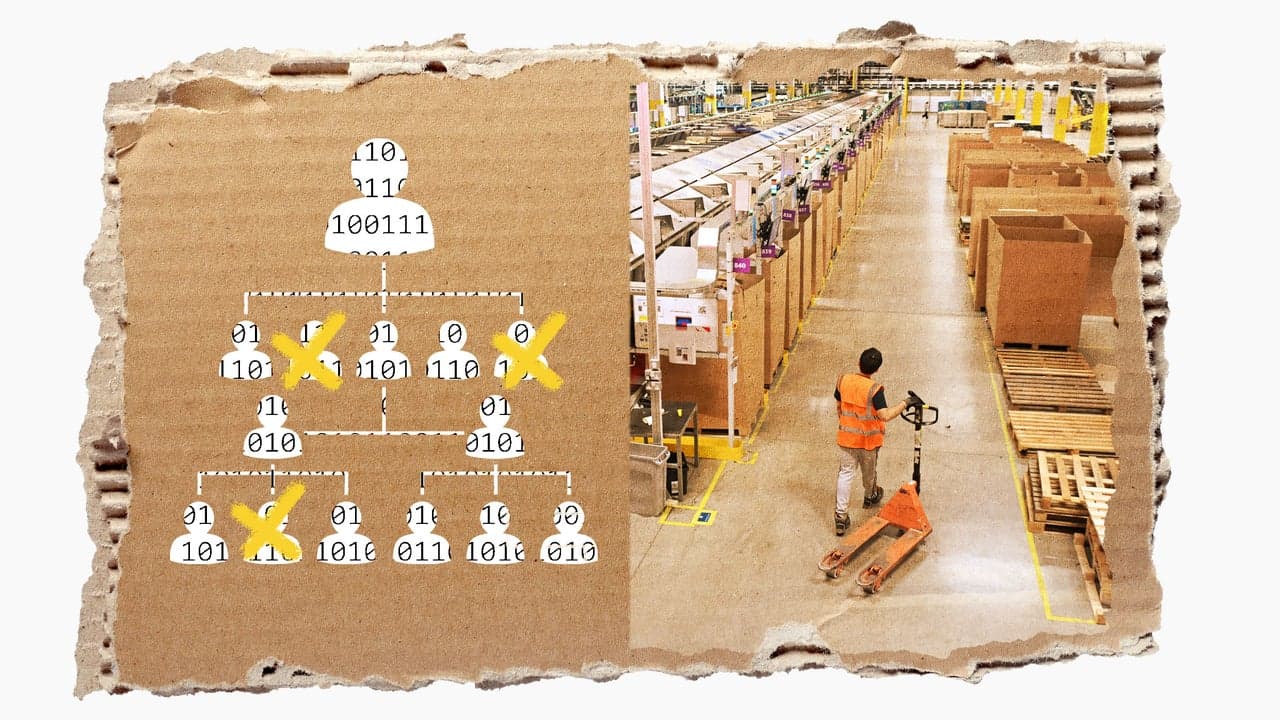
Exclusive: Inside Amazon’s brutal AI-centric app-ification of HR
Fast Company

Exclusive: Inside Amazon’s brutal AI-centric app-ification of HR

At an Amazon warehouse in Northeast Ohio, Laura works the night shift, operating an order picker that puts her 40 feet in the air. “I’m a treasure hunter,” she says. “I use a forklift to go find stuff.” The warehouse has not yet adopted any of the cutting-edge robotics systems that are transforming other Amazon facilities —but automation is creeping in. In the 18 months since she started this job, Laura—who asked to use a pseudonym out of fear of retaliation—has seen a major change in the HR presence at her warehouse. At most Amazon warehouses, a team of HR employees used to be available on site to help workers resolve issues as they arise, reachable for most of their shift. But something changed this year. “Now it’s like HR is there on banking hours,” Laura says, noting that she never see